 English
 日本語
日本語 한국어
한국어 Español
 italiano
 العربية
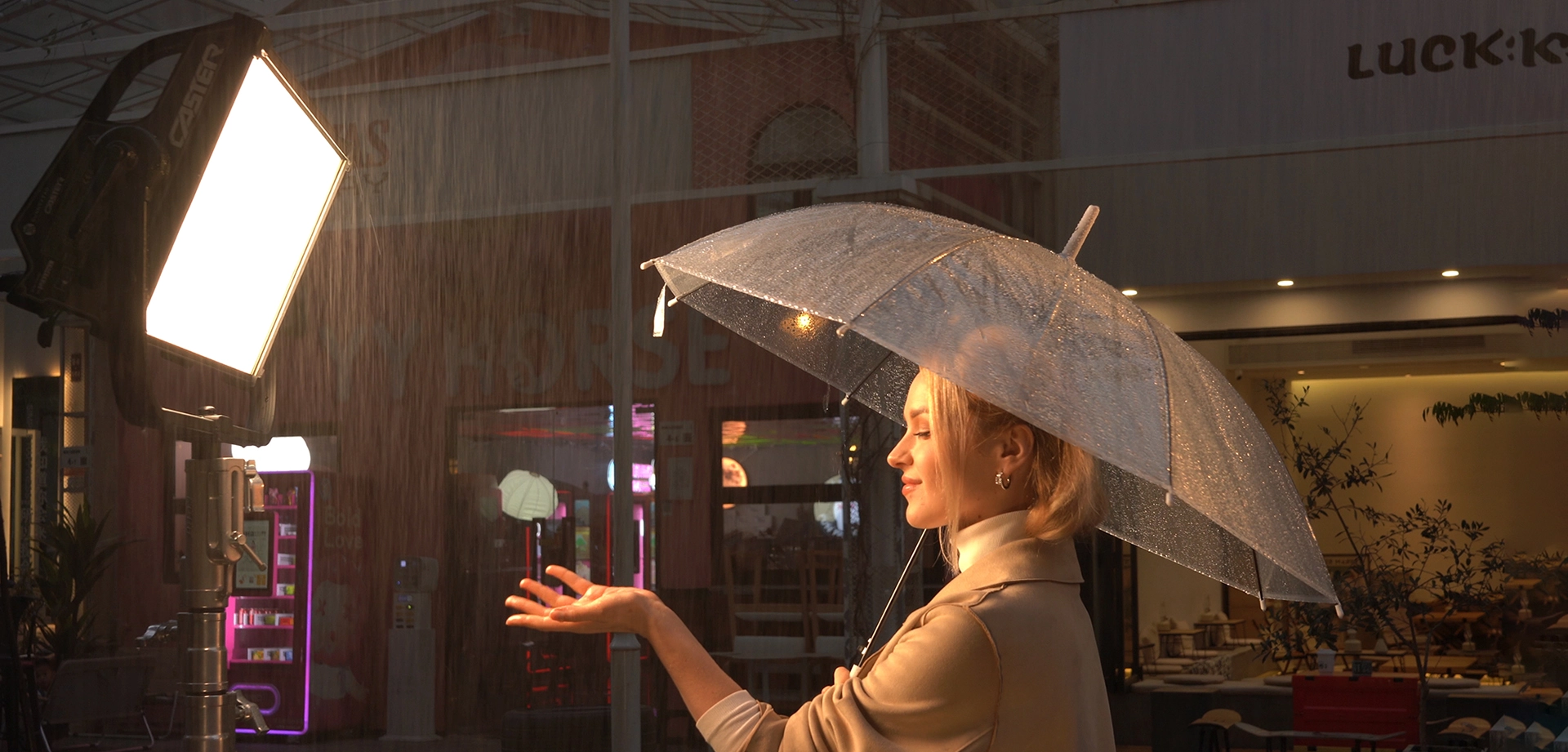
While these accessories come in many forms, their core functions boil down to three key purposes:
Directing light
Adjusting intensity
Modifying light quality
Let’s break down the essential modifiers:
_1_Sunnyxiao骁阳_来自小红书网页版.jpg "5分钟带你看懂常用影视灯光附件(上)_1_Sunnyxiao骁阳_来自小红书网页版.jpg")
-01 Barn Doors -
Also called 4-leaf shutters, these adjustable flaps (top/bottom/left/right) create angled light beams by "slicing" the light.
Why Use Them?
✔ Controls spill light
✔ Creates lighting ratios
✔ Adds depth by highlighting subjects
_2_Sunnyxiao骁阳_来自小红书网页版.jpg "5分钟带你看懂常用影视灯光附件(上)_2_Sunnyxiao骁阳_来自小红书网页版.jpg")
_3_Sunnyxiao骁阳_来自小红书网页版.jpg "5分钟带你看懂常用影视灯光附件(上)_3_Sunnyxiao骁阳_来自小红书网页版.jpg")
-02 Grids -
Available in fabric (egg crate) or aluminum honeycomb styles, grids:
Reduce light scatter
Focus beams
Can pair with diffusion for controlled softness
_4_Sunnyxiao骁阳_来自小红书网页版.jpg "5分钟带你看懂常用影视灯光附件(上)_4_Sunnyxiao骁阳_来自小红书网页版.jpg")
_5_Sunnyxiao骁阳_来自小红书网页版.jpg "5分钟带你看懂常用影视灯光附件(上)_5_Sunnyxiao骁阳_来自小红书网页版.jpg")
-03 Reflectors -
Designed to narrow bare bulb output (30°/45°/60° options). Key features:
Longer/narrower reflectors = more focused beams
Parabolic shapes with silver/chrome interiors
Textured surfaces (smooth/orange peel/scaled) affect light intensity
How They Work:
Positioning the bulb at the parabola’s focal point:
→ Maximizes reflected light
→ Boosts brightness
→ Enhances directionality